
Independence, MO · Garage Door Service
What Actually Happens During a Service Call
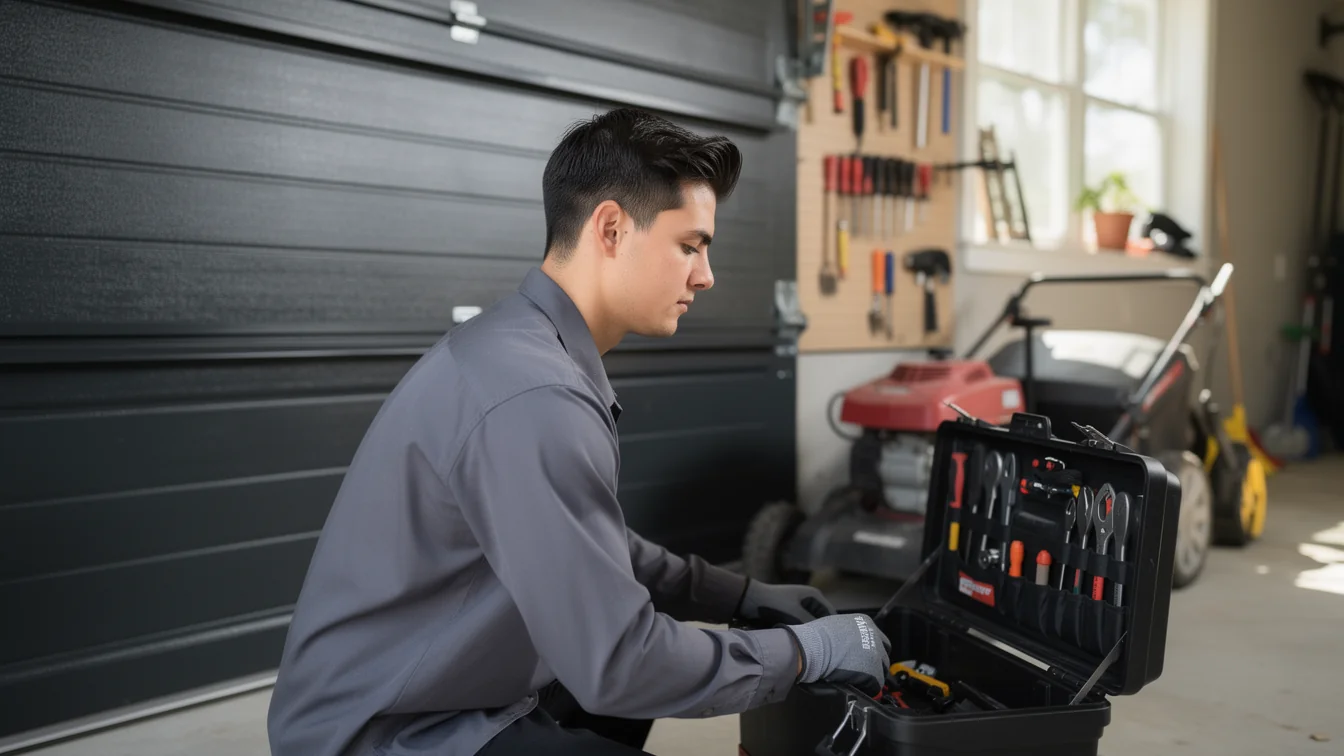
A look at what happens when Independence Garage Door Pros comes out: diagnosis, parts, and what the 1960s-70s housing stock here usually needs fixed.
- Repairs & new doors
- Springs & openers
- Serving 8 nearby communities
What Is Going On
Most of the calls we run in Independence trace back to the age of the house, not bad luck. Housing across this service area was mostly built between 1951 and 2005, with the bulk going up in the 1960s and 70s across the 24 named areas we work. That means a lot of doors are on their second or third opener, but the original track and spring mounts from the build are still there - drilled for hardware sizes and spacing that current parts don't always match without an adapter plate. A service call starts with us figuring out which generation of hardware we're actually looking at before we touch anything. On a house built in 1968 that's a different conversation than one built in 1995, even if the symptom - a door that won't open past six inches, a grinding opener, a cable off the drum - looks identical from the driveway. We open the panel, check spring wind and cable seating, run the door by hand with the opener disconnected, and look at what the track bolts are actually biting into before we quote anything. One honest limit here: if the frame or jamb has shifted enough that the door is racking in the opening, that's a carpentry problem first, and we'll tell you that instead of forcing a door fix that won't hold.
What It Costs
We don't publish a flat price list because the two biggest cost drivers - spring size and track condition - depend on the age and setup of your specific door, which varies a lot given the mixed housing stock in this area (1951 to 2005 construction, median year 1973). A torsion spring swap on a door that's otherwise sound is a different job and a different bill than one where the drum, cable, and both end bearings have worn together, which is common once a spring has been replaced once or twice over 50-plus years of use. Every call includes a diagnosis before a number gets quoted - we're not going to price a repair over the phone sight unseen on hardware we haven't seen. If you're in one of the closer areas like Sugar Creek or Western Blue Township, or farther out toward Oak Grove or Pleasant Hill, the diagnosis process is the same; distance doesn't change what's wrong with the door, it just changes drive time.
What the Weather Here Does to It
This area sits in a cold moderate climate band, and that matters more for garage doors than people expect. Steel contracts in cold weather, and on a door that's already got loose roller brackets or a stretched cable from decades of use, a hard cold snap is often what turns a minor slack into a jammed track or a popped cable - not a dramatic failure, just the last straw on something that was already marginal. Weatherstripping at the bottom of the door is the other piece: on homes built in the 1960s and 70s, original seals have usually been replaced at least once, and a seal that's hardened or cracked lets cold air sit against the bottom panel and the track hardware longer than it should. We check both of these on every cold-weather call even if that's not why you called us, because a spring that's about to go is more likely to go on the day it's 20 degrees out than on a mild one.
What Changes With the Season
A spring sized and balanced correctly in warm weather will feel tighter in cold weather, because the steel itself contracts - this is normal, but it's also why a door that worked fine in October can bind or feel heavy by January without anything actually breaking. We get more call volume around seasonal swings for that reason, not because parts fail faster in winter, but because marginal hardware - a spring near the end of its cycle count, a roller that's been squealing for a year - finally gives out when the temperature drops. On the service side, this means a fall tune-up (lubricating rollers, checking cable wear, rebalancing spring tension) catches problems before the first cold snap turns them into a no-opener-works emergency call. It's a cheap appointment that heads off a more expensive one, and given how much of the housing stock here is 50-plus years old with hardware that's been through a lot of seasonal cycles already, that check is worth doing annually rather than waiting for a failure.
Frequently asked questions
Do you charge extra to come look at the door before quoting a repair?
We quote after we've opened the panel and seen the spring, cable, and track condition, since houses in this area range from 1951 to 2005 construction and hardware varies a lot. We don't price repairs over the phone without seeing the door first.
Why does my door feel harder to open in the winter?
Steel springs contract in cold weather, which makes a door feel heavier even if nothing is broken. In our cold moderate climate, this is normal, but it's also when hardware that's already near the end of its life tends to finally fail.
How far out do you go for service calls?
We cover Independence and the surrounding area, including places like Sugar Creek, Raytown, Grain Valley, Buckner, and out to Pleasant Hill and Oak Grove. Drive time changes with distance, but the diagnosis process is the same everywhere we go.
Is it ever not worth fixing the door?
Yes. If the frame or jamb has shifted enough to rack the opening, or the track and hardware are both badly worn from decades of use, patching one part can leave you back at square one. We'll tell you when replacement makes more sense than another repair.
Related garage door services in Independence
More garage door guides
Book garage door service in Independence
Call now or request a quote - tell us what the door is doing and where you are.